What I keep thinking about
I’m interested in the moments products don’t measure: the pause before a click, the word a keyboard can’t spell, the post you almost didn’t share. Each one leads to a bigger question about what technology assumes about people, and what it should leave up to them.
All posts
Showing all 16 posts
-
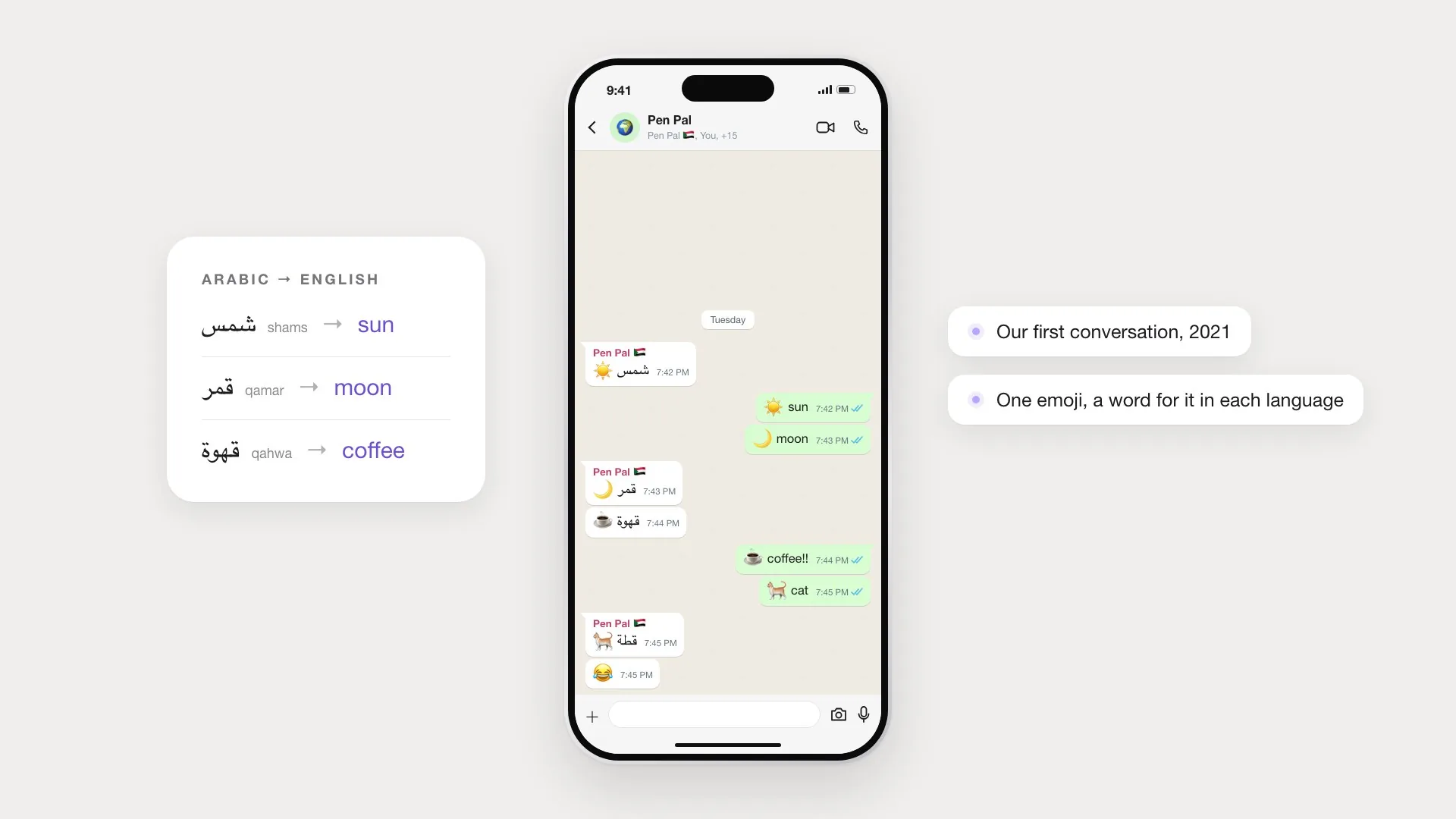
What a dashboard would never see
My pen pal in Sudan and I didn’t speak the same language, so we found our own through emojis. Five years later, our friendship has shaped how I think about technology and why I design for people, not just numbers.
-
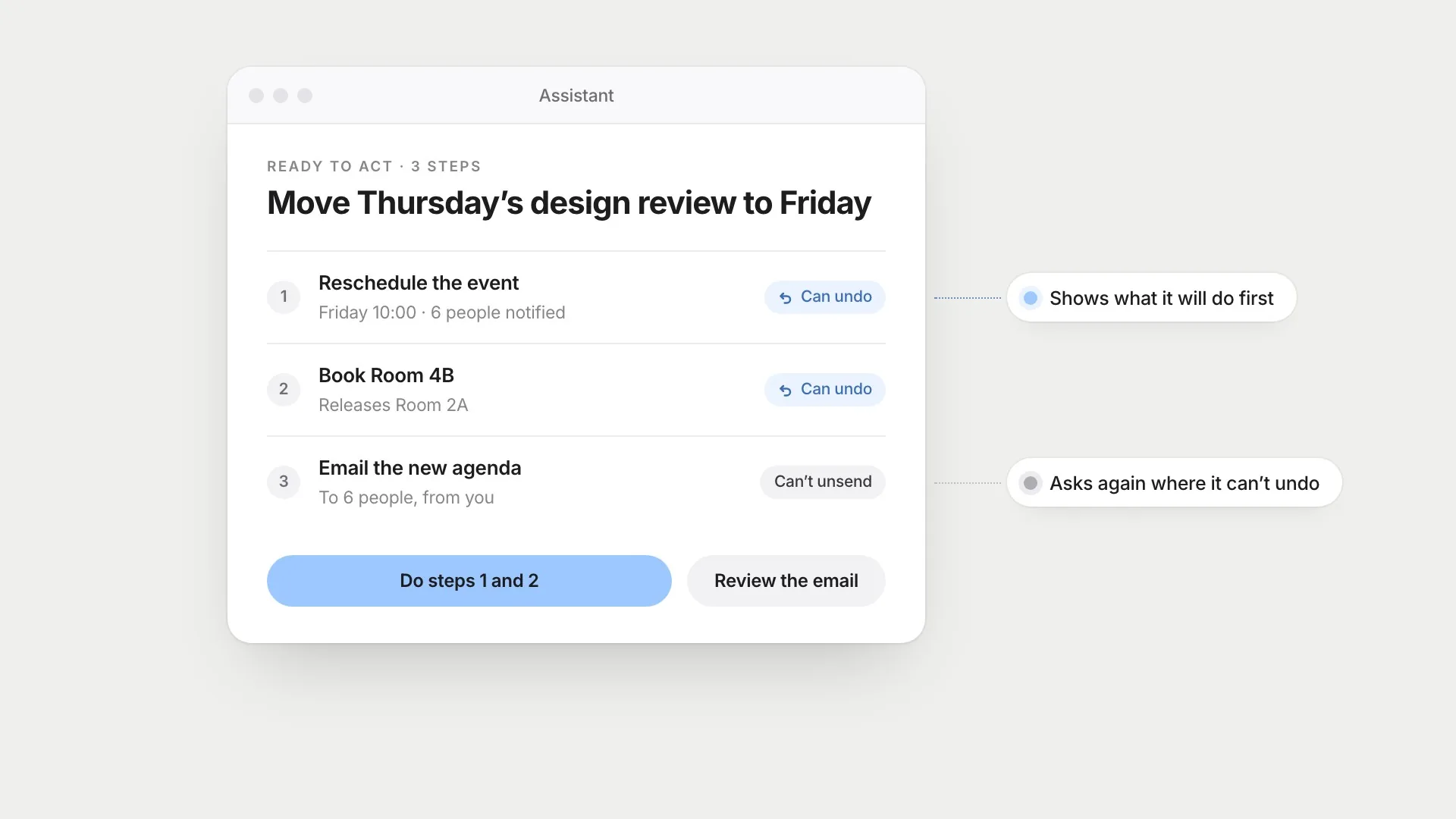
What happens when AI starts making decisions for us?
As AI moves from answering questions to taking actions, the hard part isn’t capability. It’s deciding when it should act, when it should ask, and how people can undo what it did.
-
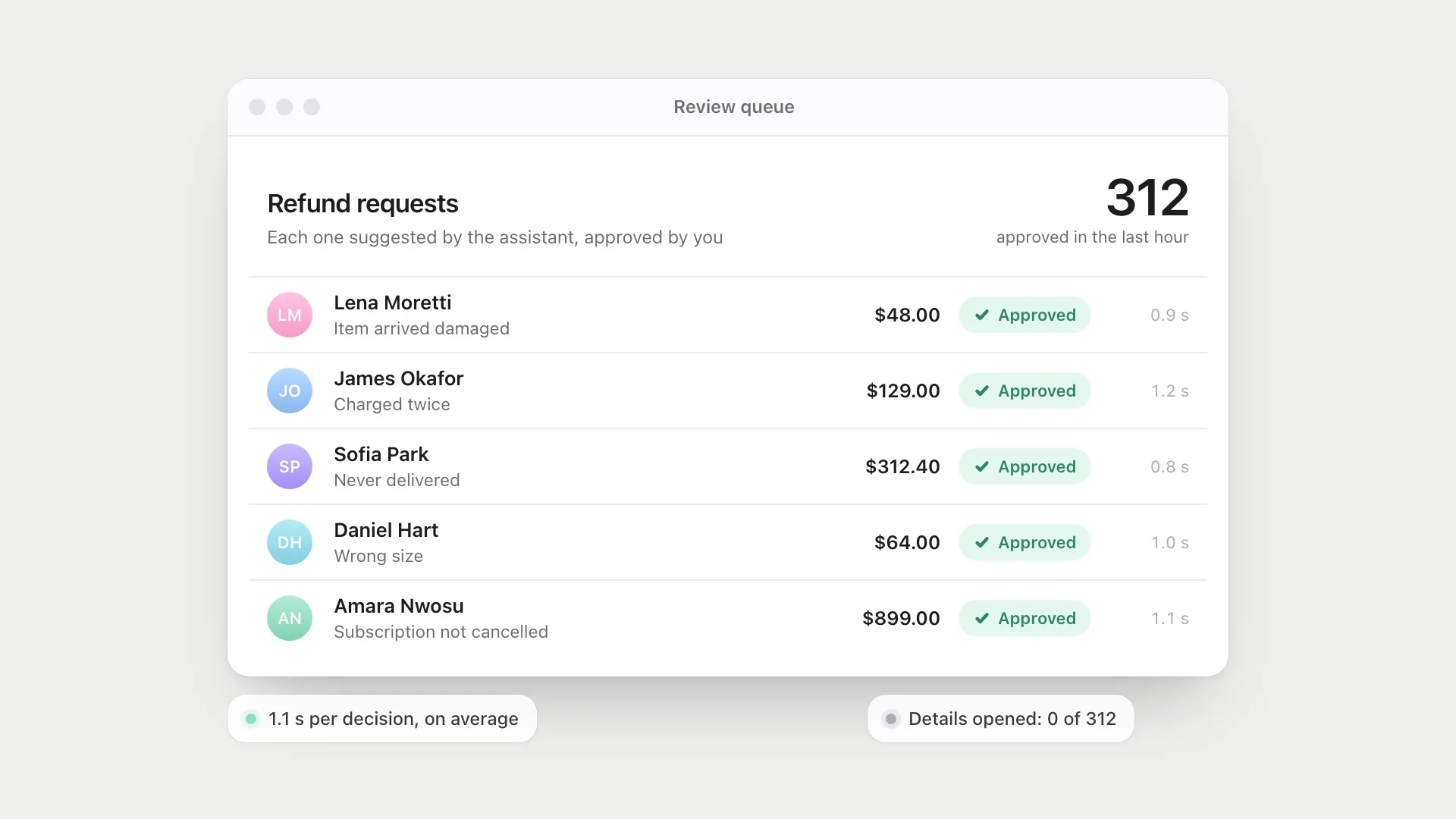
The last human decision
As AI makes better and better recommendations, which decisions should stay meaningfully human, even when automation would be faster?
-
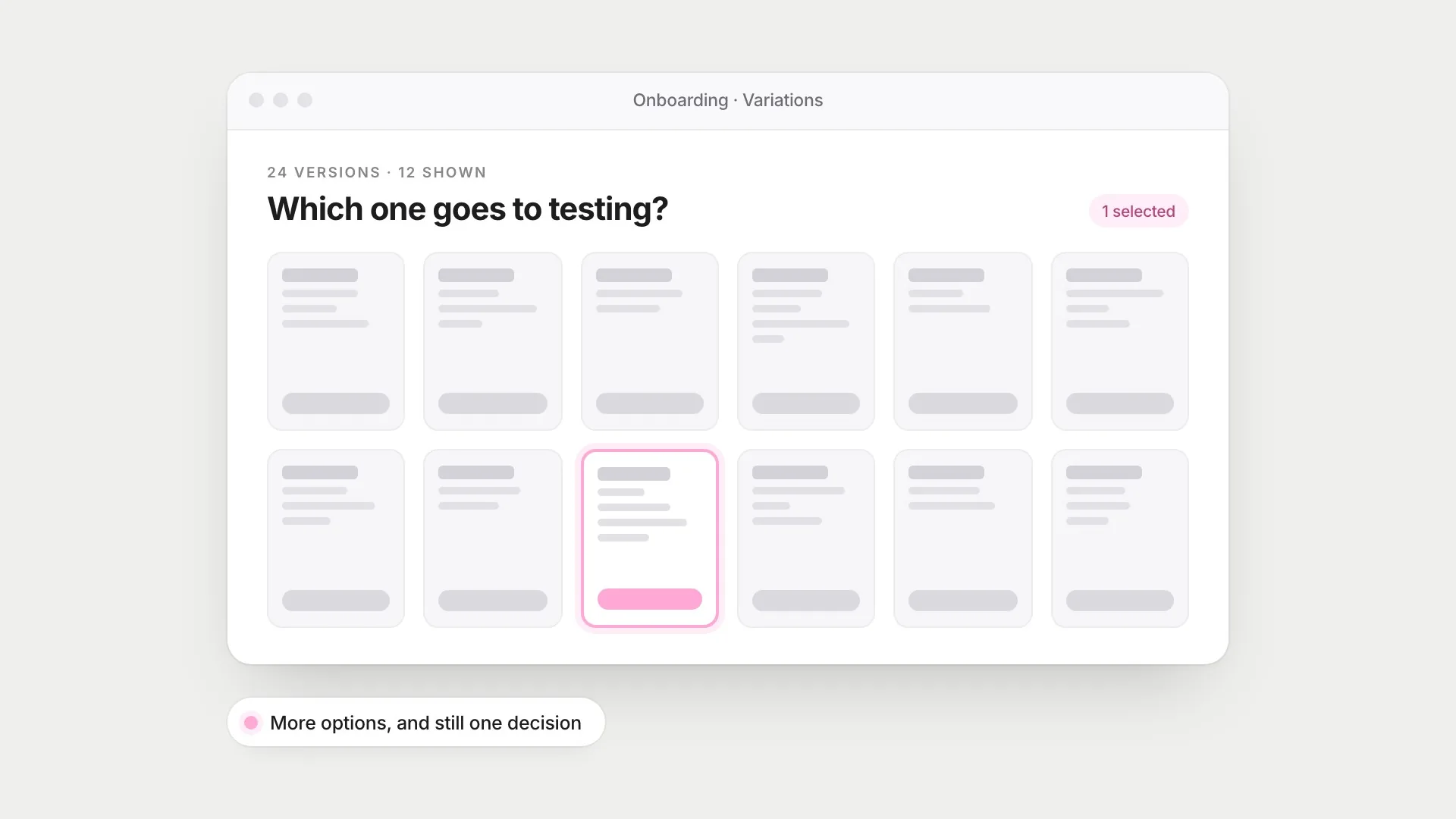
AI can design a thousand interfaces. Who decides which one is right?
As generating screens gets cheap, product judgment becomes the scarce skill: knowing what to test, what only looks finished, and when to let evidence decide.
-
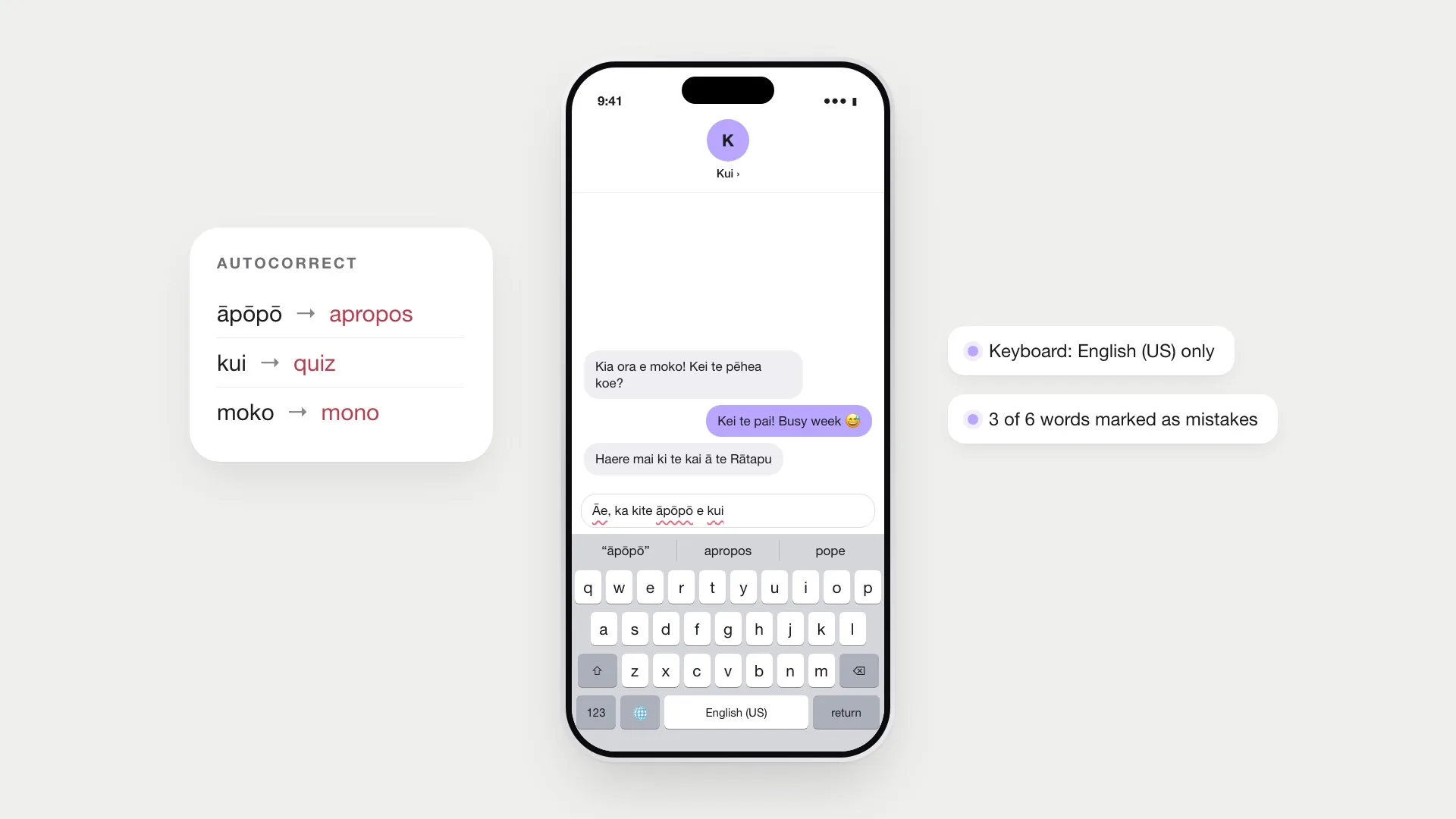
What happens to a language your phone can’t spell?
Almost half the world’s languages are endangered. Languages fade when families stop passing them on, and keyboards, forms and AI now shape which ones feel worth keeping.
-
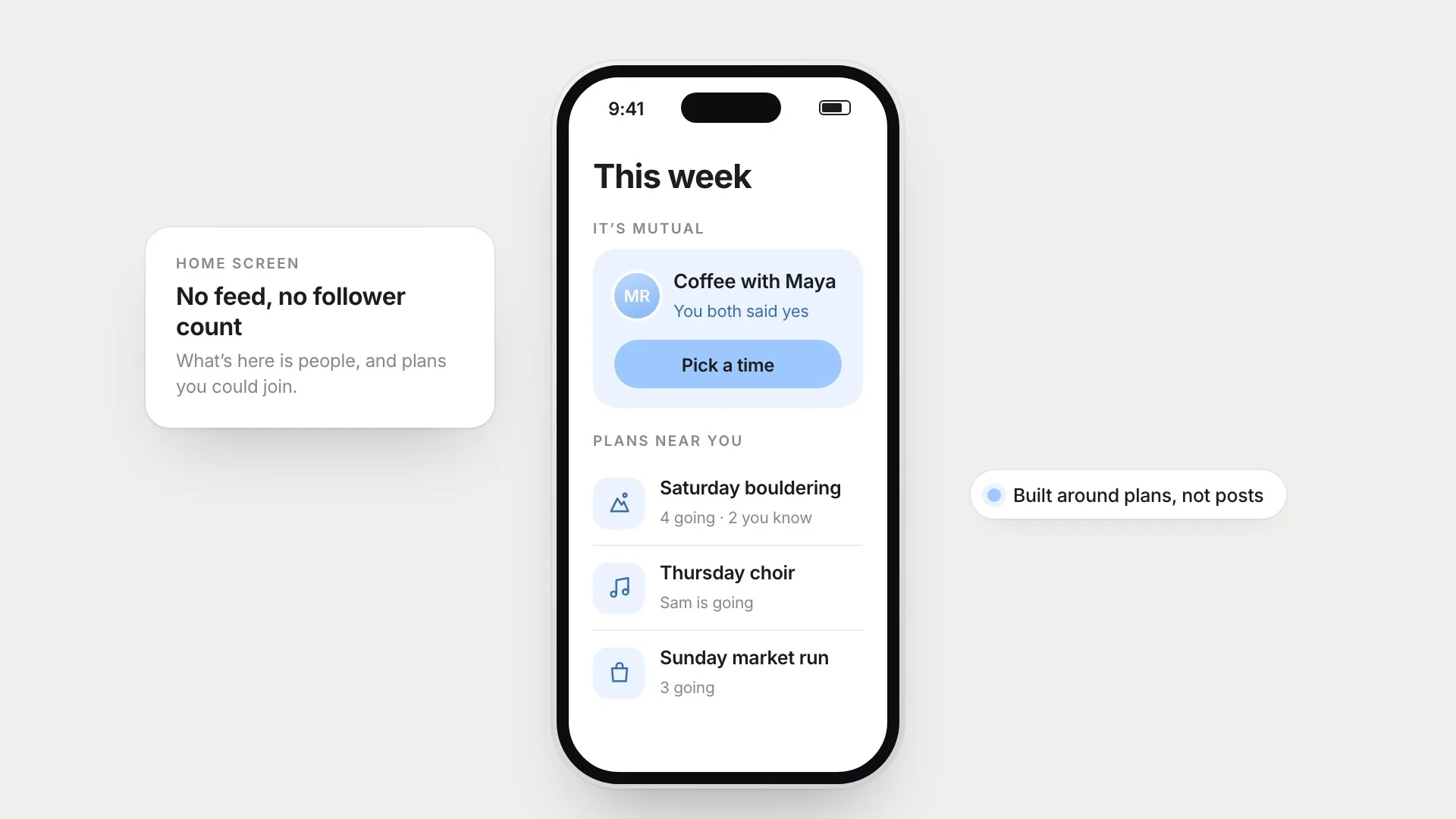
The next social network might not have a feed
What if social platforms were designed around the relationships they strengthen, rather than the content they distribute?
-
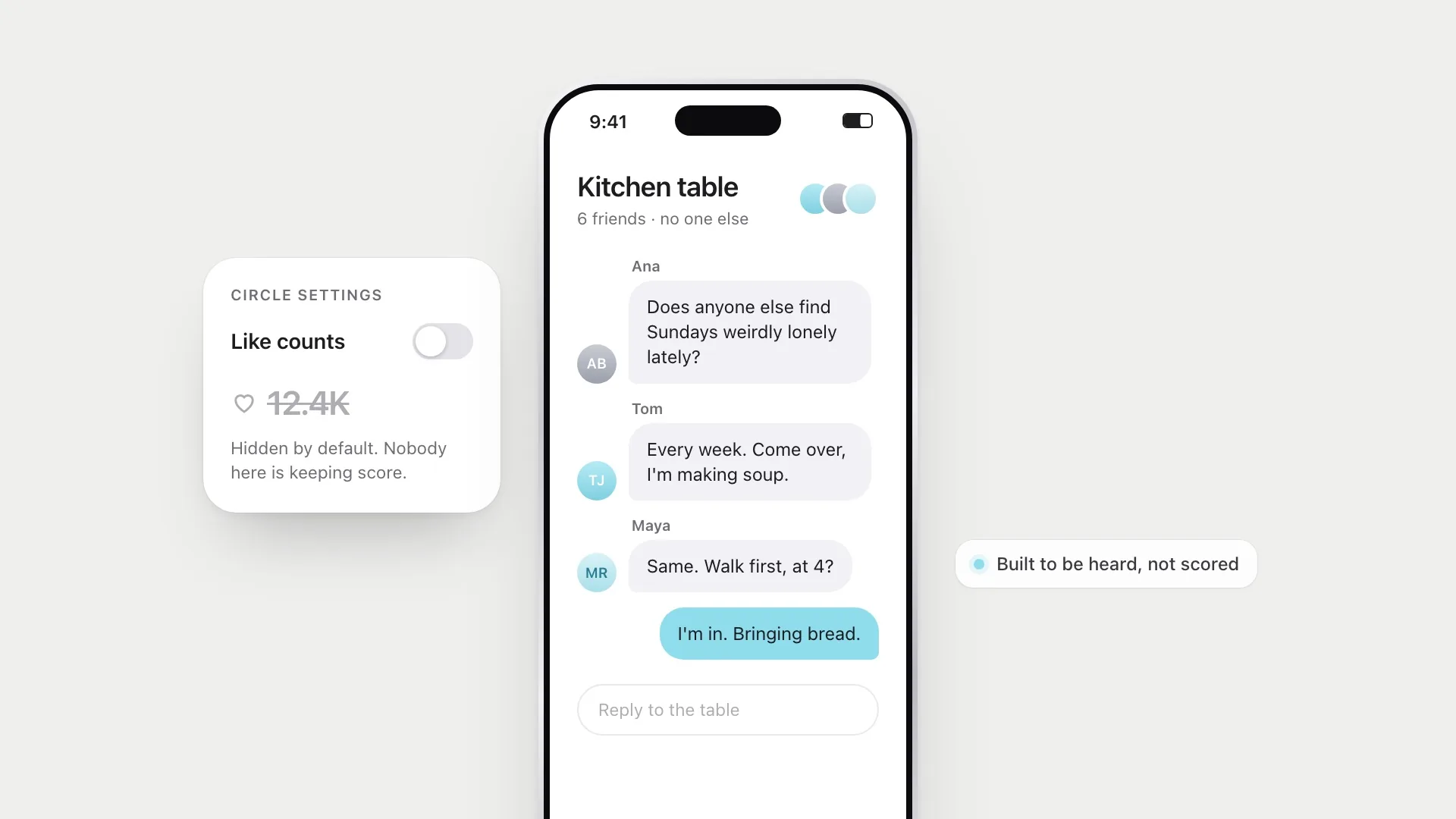
Why does every social platform want us to perform?
What if social software were designed for understanding rather than visibility? Interfaces that reward listening, vulnerability and real connection over posting and engagement.
-
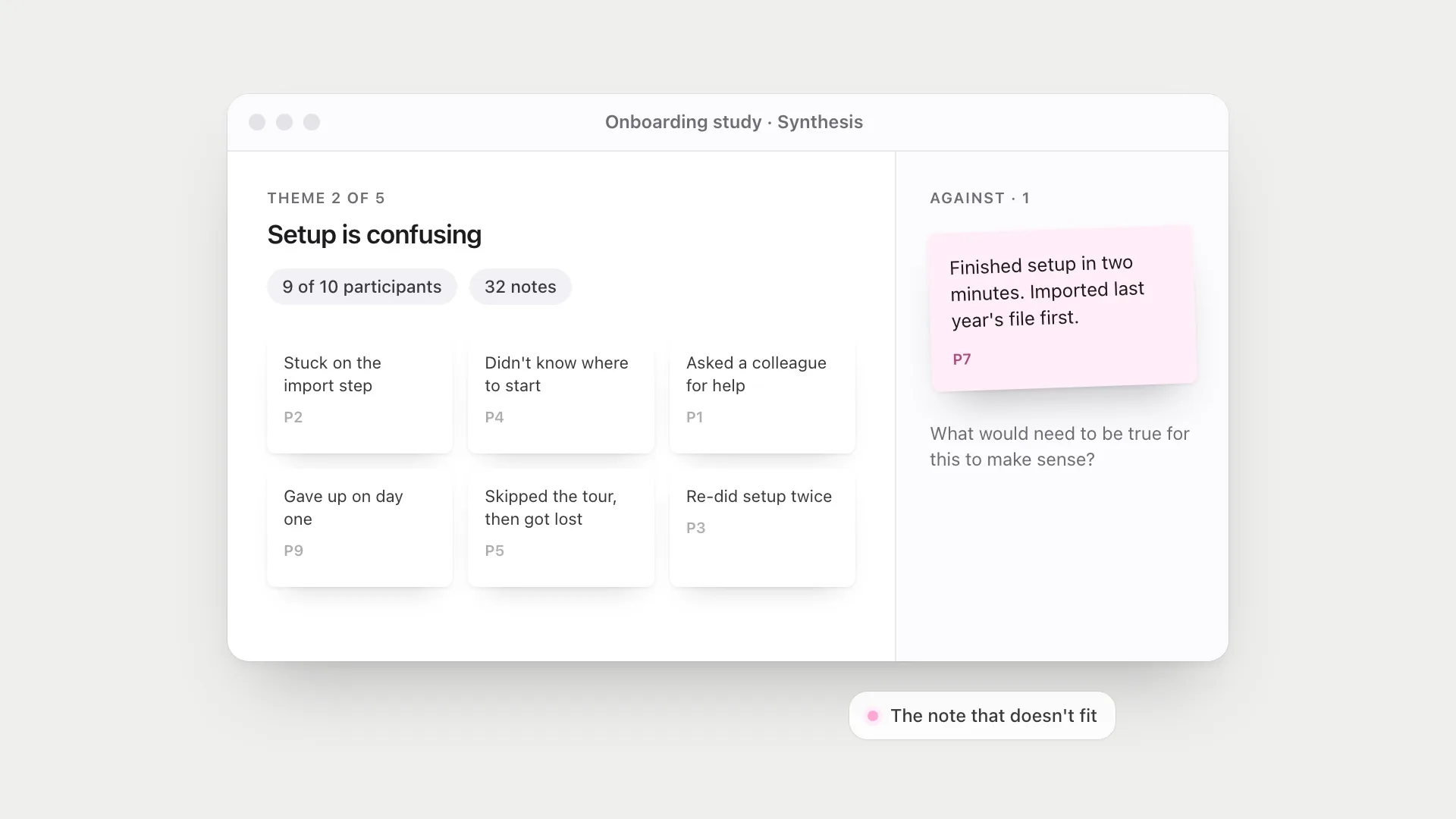
What if we studied contradictions instead of patterns?
Research looks for recurring themes. But sometimes the most revealing insight comes from the one participant who behaves differently from everyone else.
-
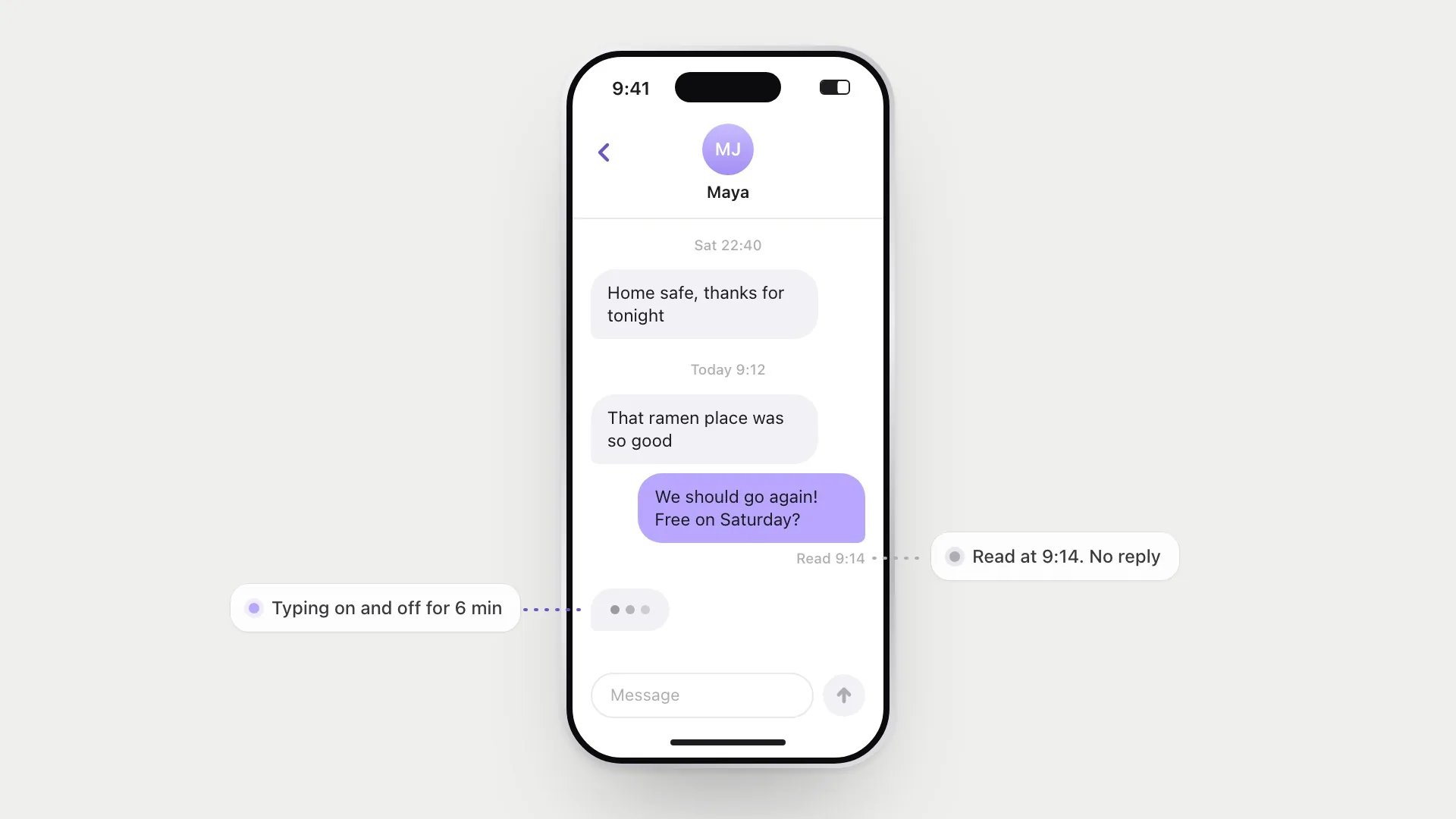
The psychology of almost clicking
A cursor hovering over a button, a message typed and deleted, a basket left full. Hesitation is a signal, not just a failed conversion.
-
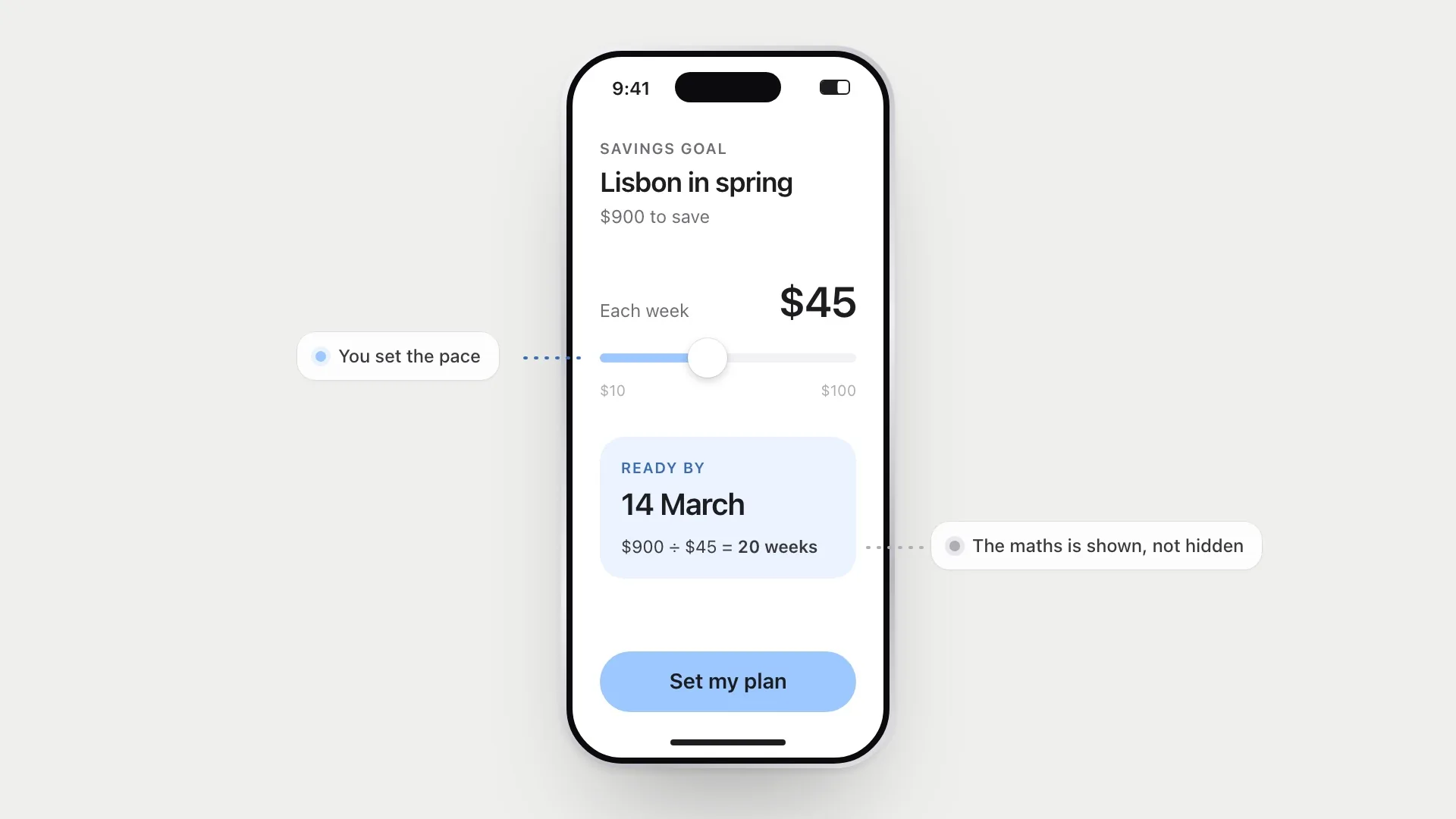
Can an interface make you feel more intelligent?
Some products leave you feeling capable. Others leave you feeling dependent. How structure, feedback and progressive disclosure shape a person’s sense of competence.
-
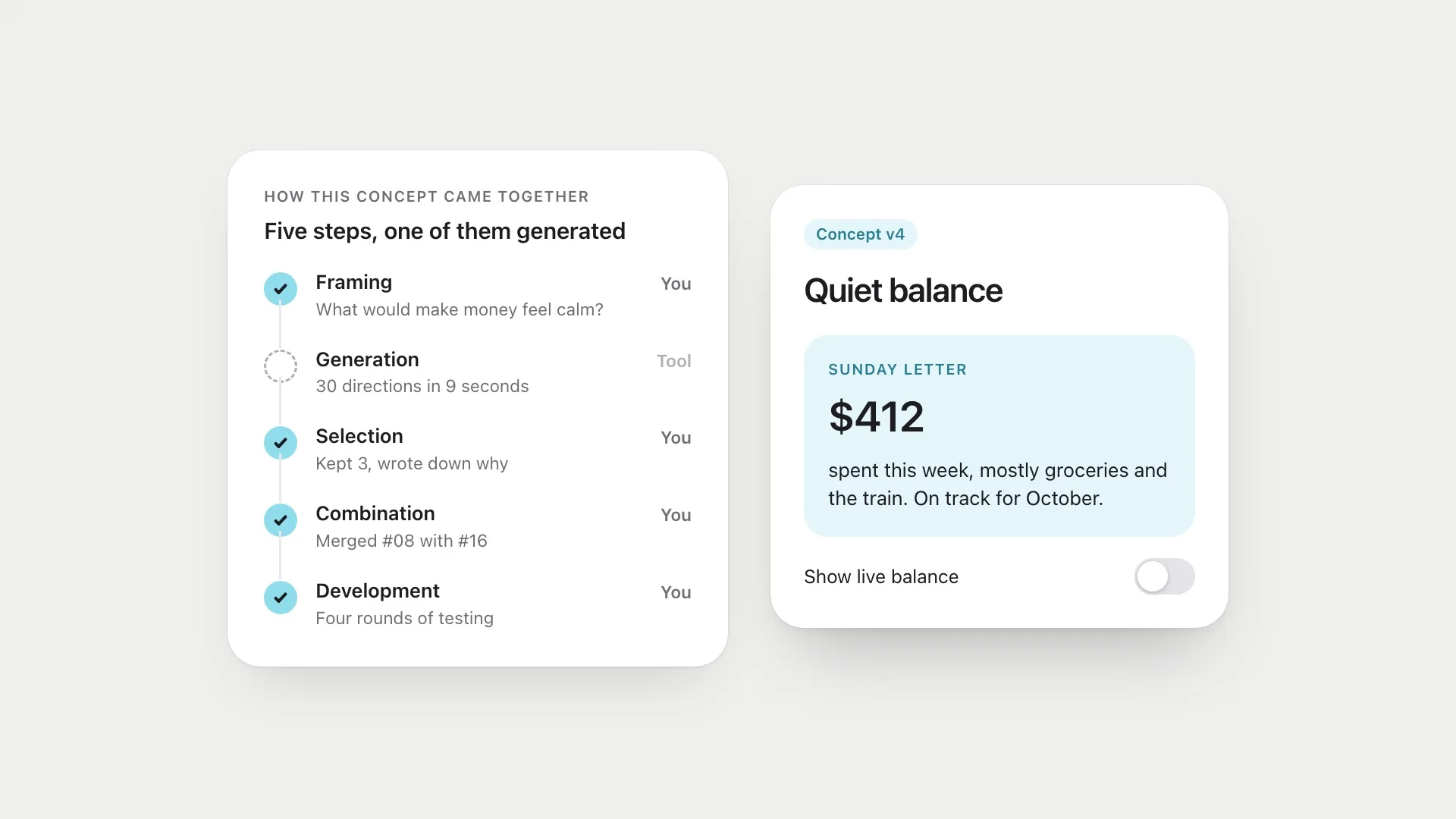
Who owns an idea when AI helps you think it?
A designer asks a question and AI generates dozens of directions. Where does authorship begin? A case for originality as judgement, not generation.
-
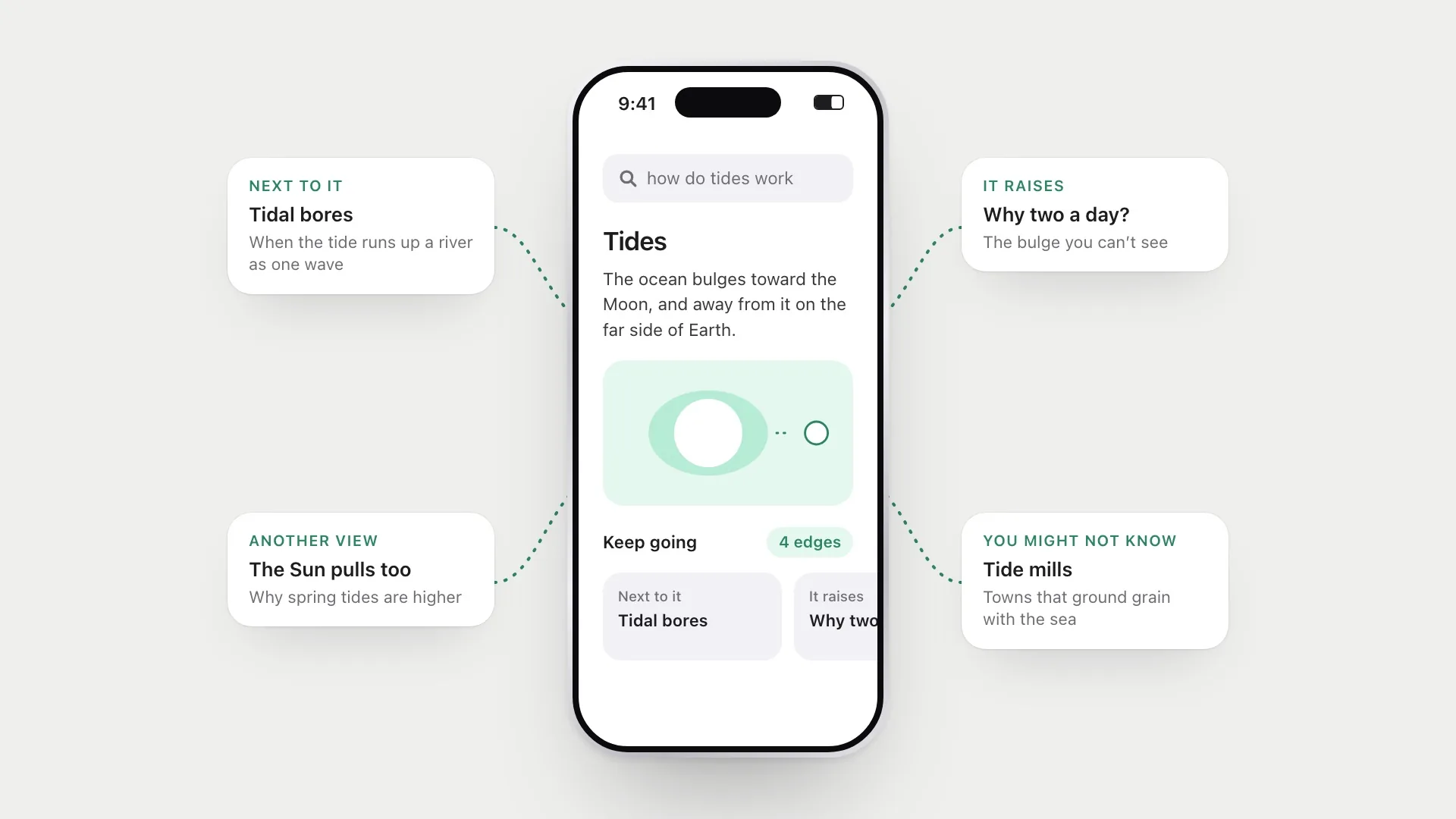
What if we designed for curiosity instead of efficiency?
Most interfaces help people finish tasks quickly. What would a product look like if its purpose were exploration, discovery and unexpected connections?
-
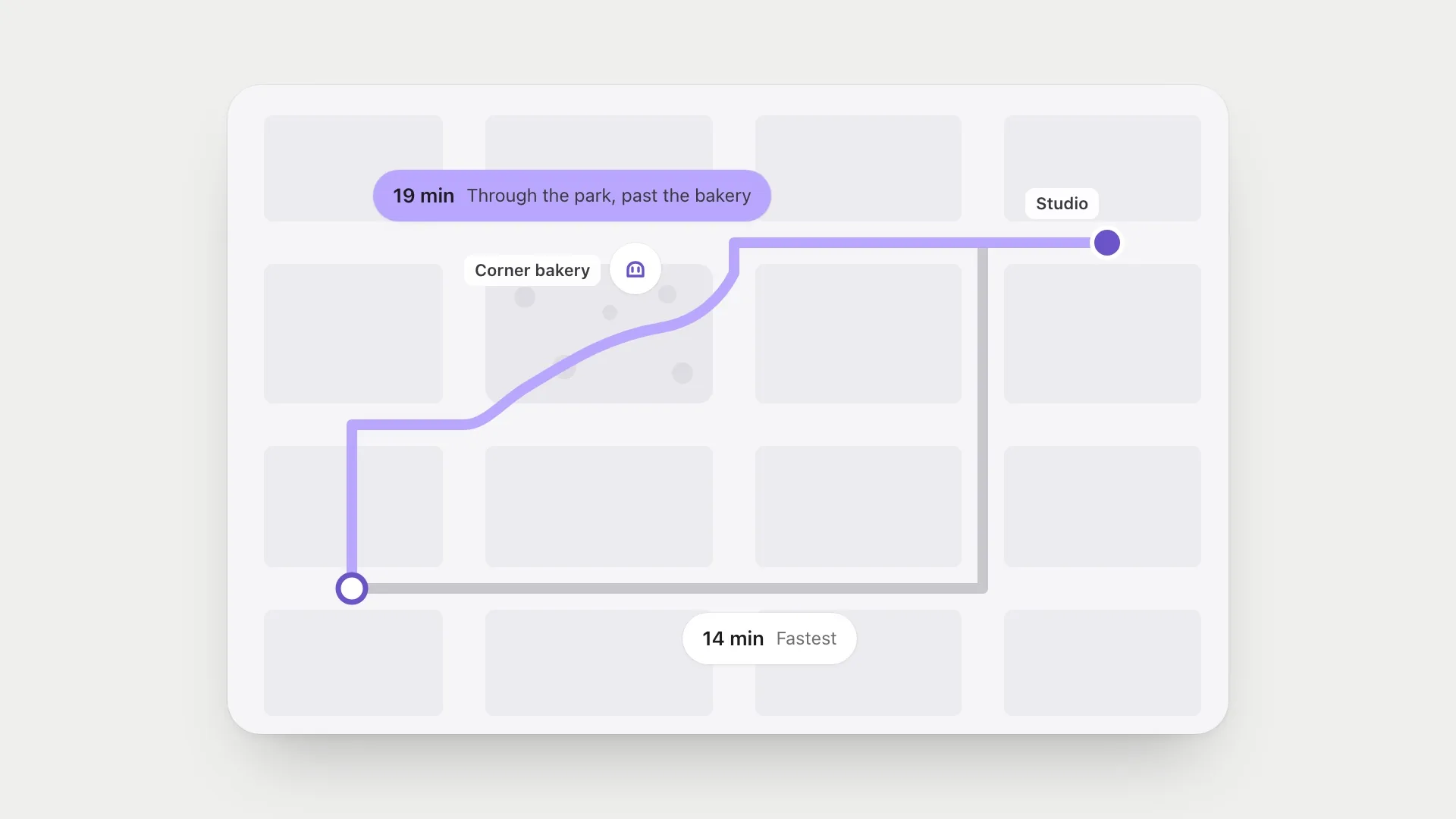
The right to be unoptimized
If AI can keep optimizing our schedules, purchases and habits, should good design protect room for spontaneity, inefficiency and surprise?
-
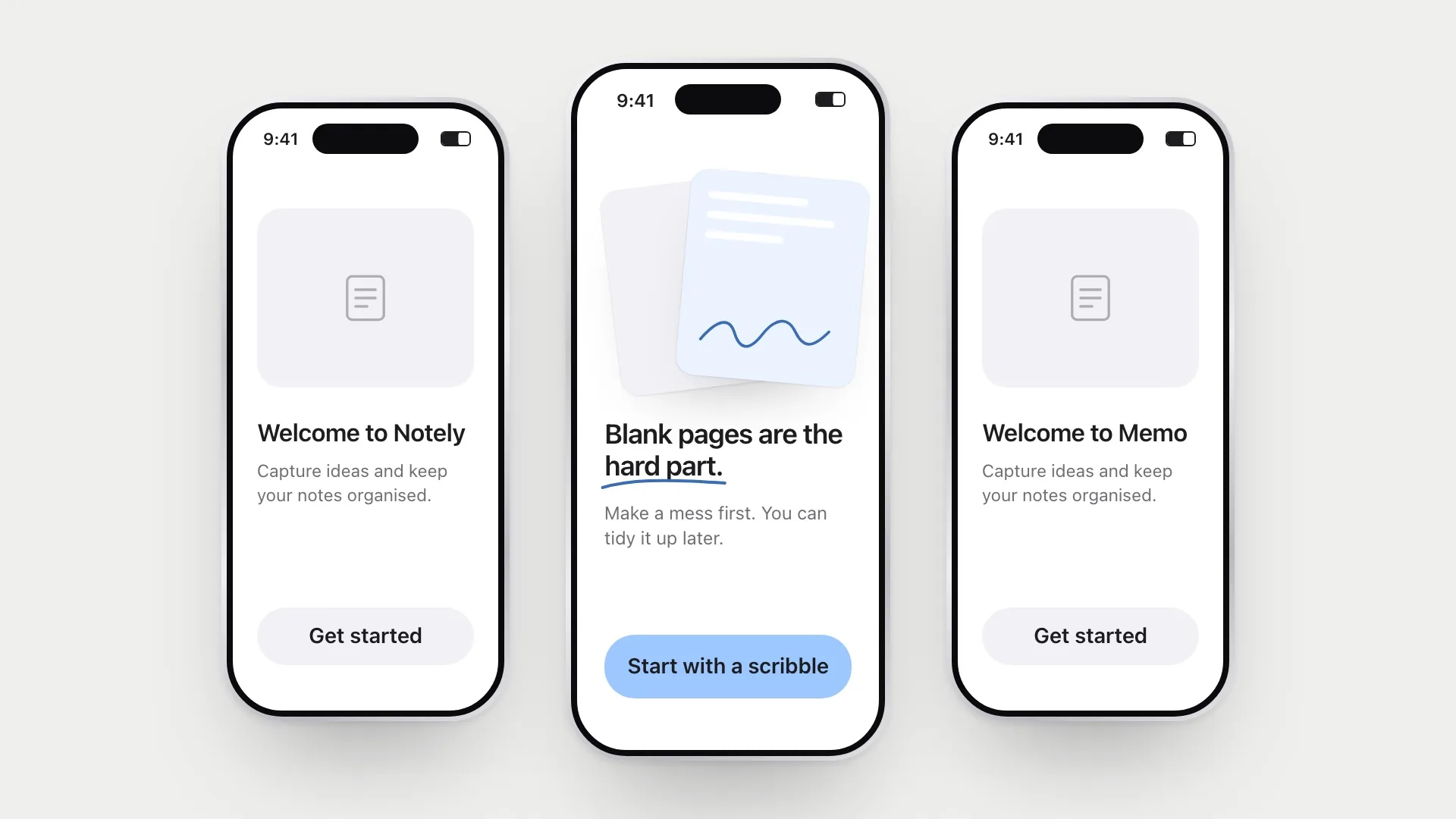
The beauty of useful imperfection
Not every irregularity is a flaw. How asymmetry, texture, personality and well-chosen friction make digital products more memorable without hurting usability.
-
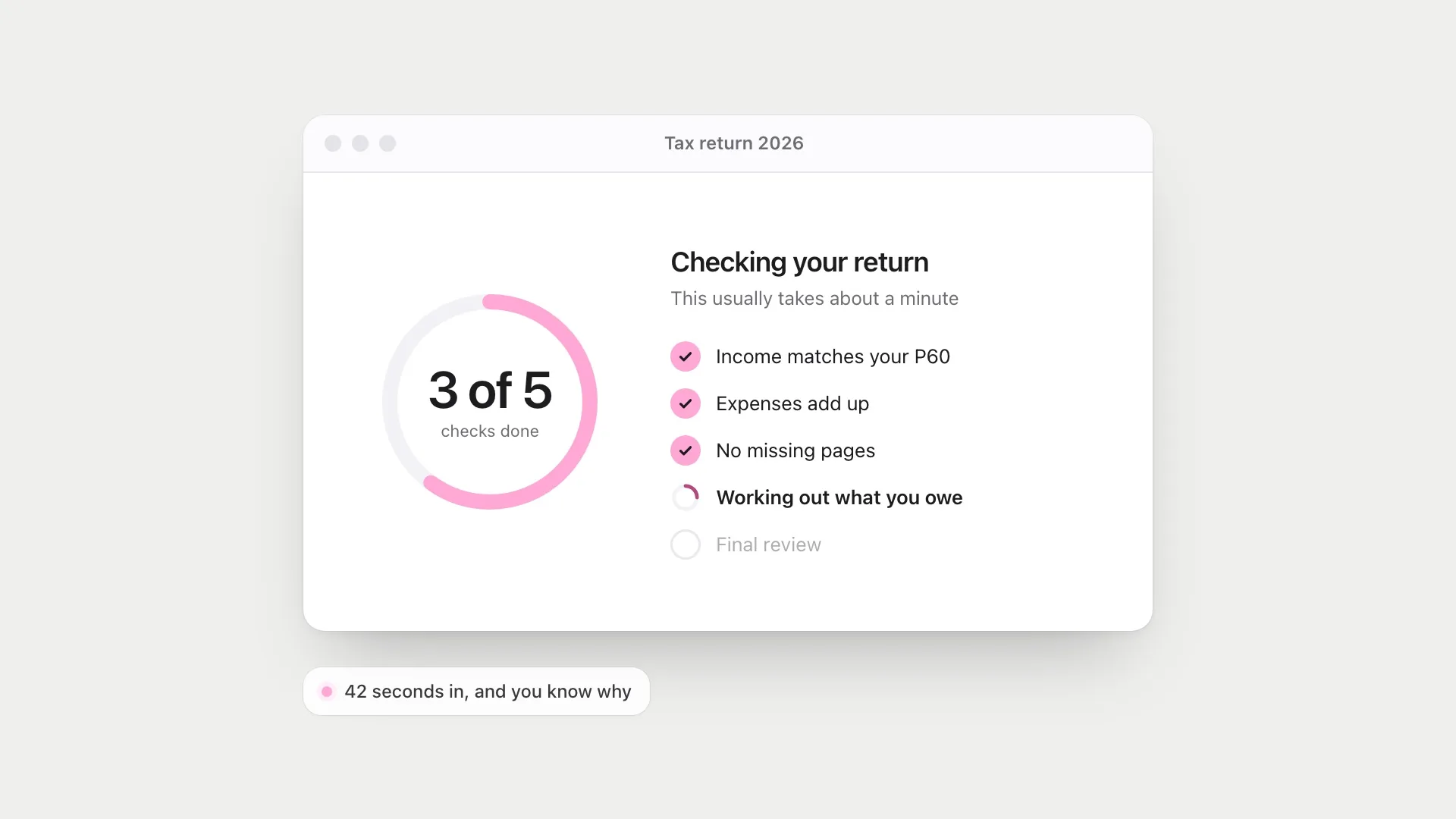
The emotional weight of a loading screen
A three-second wait can feel reassuring, frustrating or suspicious. How anticipation, effort and uncertainty change the way we experience time.
-
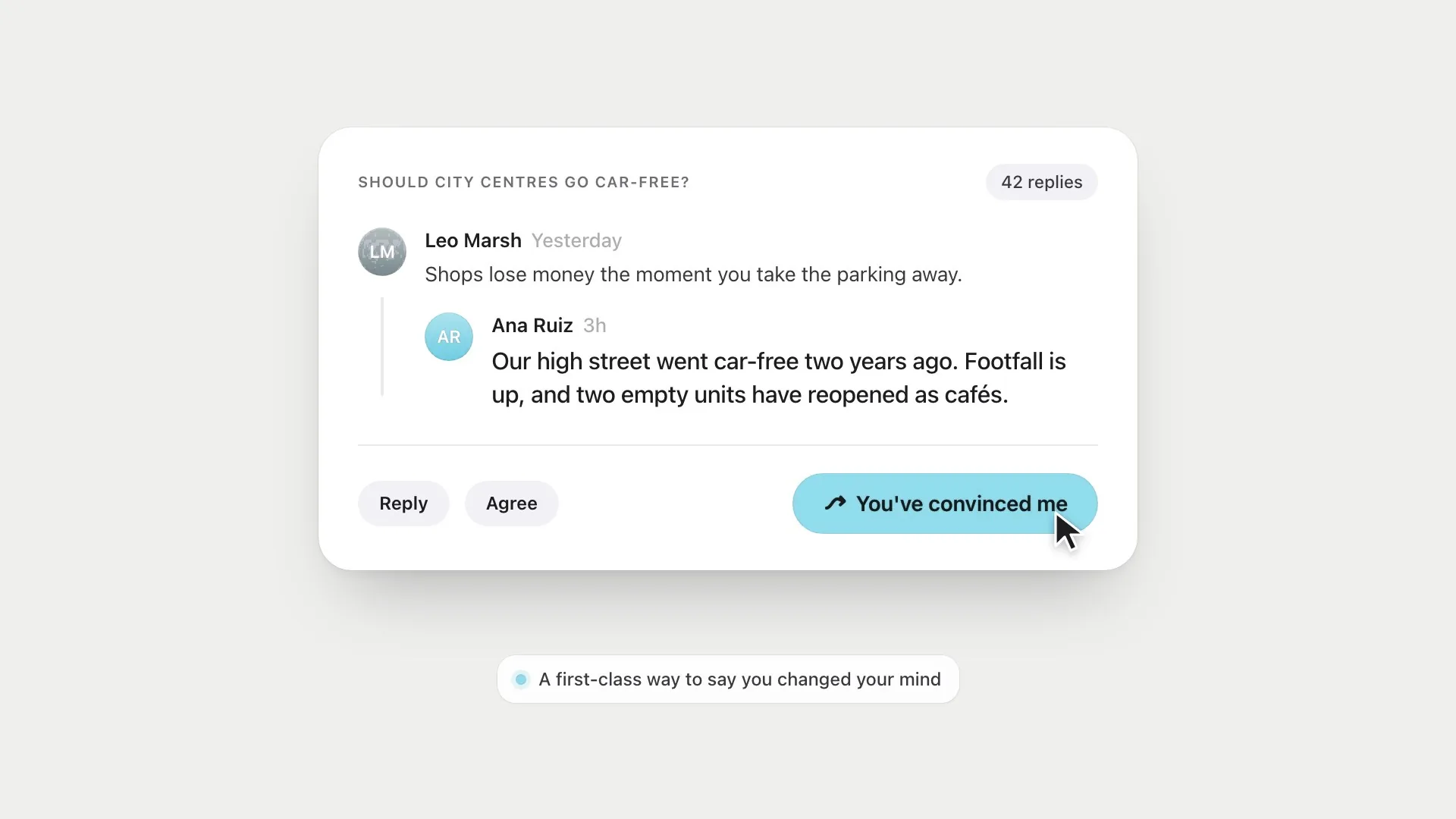
The missing UX of changing your mind
Online conversations rarely let you revise an opinion without losing face. Interaction patterns that could make changing your mind visible and socially acceptable.